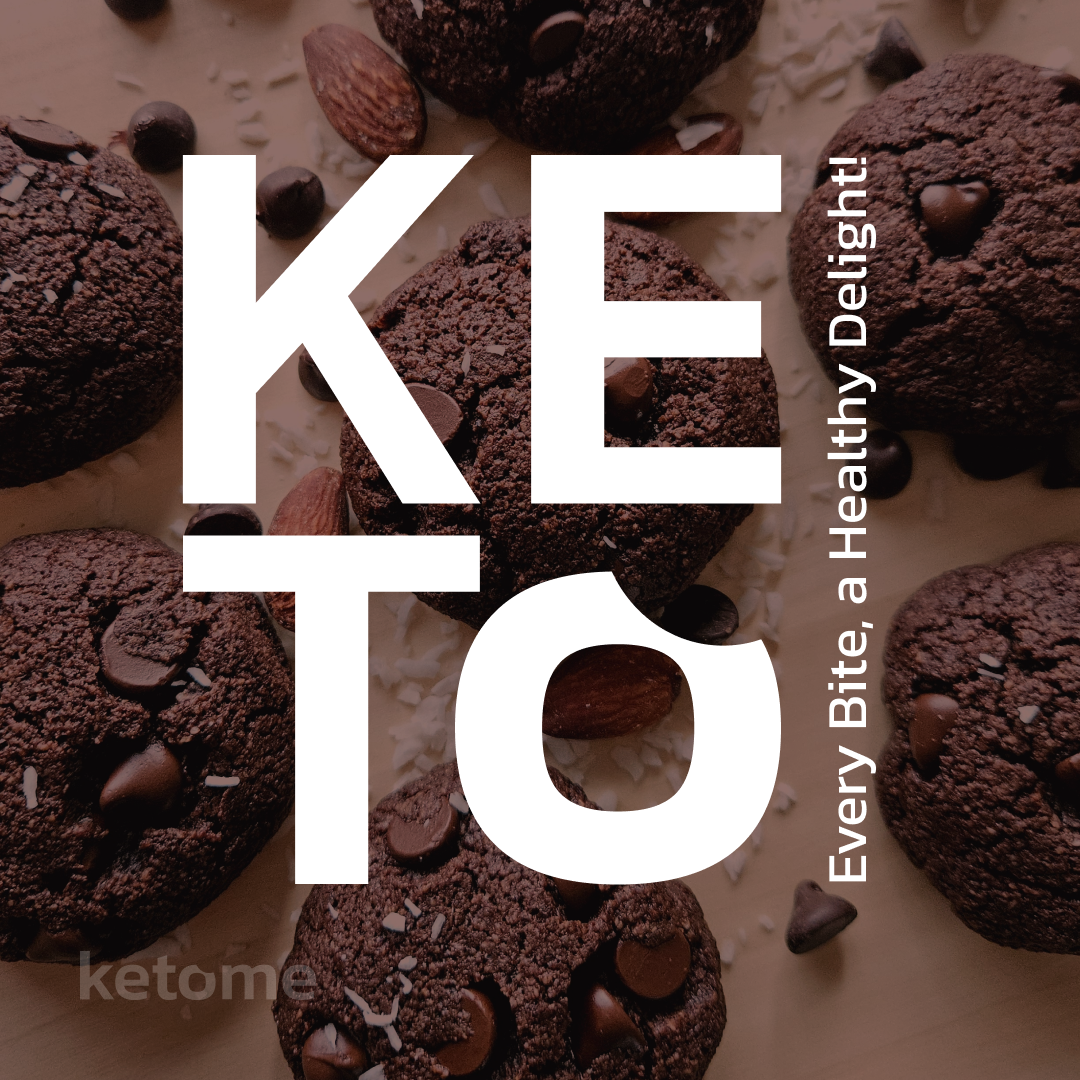


Discover the Benefits of Real Ingredients: Why KetoMe's Keto Protein Bar Alternatives Outshine Quest Cookies
Navigating the crowded market of keto-friendly snacks requires a shift in perspective from merely counting macros to prioritizing nutrient density. While convenience often dictates our choices, the long-term success of a ketogenic lifestyle depends on the quality of the fuel we consume.
The Strategic Importance of Whole-Food Ingredients
Many popular keto snacks, including mass-market protein cookies, rely heavily on ultra-processed fillers, synthetic sweeteners, and isolated fibers to achieve their nutritional profile. While these products may technically fit within a low-carb limit, they often overlook the biological impact of non-food ingredients.
Real ingredients—such as nuts, seeds, grass-fed proteins, and natural fats—provide micronutrients that your body can process efficiently. By choosing keto protein bar alternatives that focus on whole-food sources, you support stable blood glucose levels and sustained energy.
Key benefits of a whole-food approach include:
- Enhanced satiety through complex nutrient profiles.
- Better digestive health due to the absence of artificial sugar alcohols.
- Improved metabolic flexibility by minimizing inflammatory additives.
Comparing Nutritional Quality: A Closer Look
When evaluating snacks, it is essential to look past the “Net Carb” claim on the front of the packaging. The following table highlights the functional differences between typical high-volume keto cookies and nutrient-dense alternatives like those offered by KetoMe.
Framework for Evaluating Smarter Snack Options
Adopting a strategy for smarter snack options for keto requires a standardized approach to auditing labels. Use this checklist to determine if a product aligns with your health objectives before making a purchase.
- Scan the ingredient list: If you cannot identify the majority of the items in your kitchen, prioritize a different option.
- Identify the sweetener: Look for natural options like monk fruit or stevia rather than maltitol or high-intensity synthetic sweeteners.
- Assess the fat source: Seek out stable, healthy fats like coconut oil, avocado oil, or nut butter rather than industrial vegetable or seed oils.
- Verify the protein source: Ensure the protein is sourced from reputable, high-quality origins rather than cheap, highly processed isolates.
Mini Case Study: Improving Energy Stability
Consider a professional who relies on afternoon snacks to sustain productivity. When switching from a standard protein cookie—often loaded with sucralose and fiber syrups—to a real-ingredient alternative, they noted a shift. Within one week, the mid-afternoon “crash” and associated digestive bloating disappeared. By providing the body with recognizable fats and proteins, the transition to whole-food snacking effectively eliminated the blood sugar volatility previously triggered by artificial additives.
Frequently Asked Questions
Q: Are sugar alcohols inherently bad for keto? A: Not all sugar alcohols are created equal, but many can cause significant digestive distress and may spike blood glucose levels in some individuals. Real-ingredient alternatives typically avoid these in favor of cleaner, natural sweeteners.
Q: Why do real-ingredient bars cost more? A: High-quality, whole-food ingredients have a higher sourcing cost than synthetic fillers and stabilizers. You are paying for the density of nutrition rather than the volume of cheap carbohydrates.
Q: Can I eat keto snacks every day? A: Snacks should supplement, not replace, your core meals. Prioritizing whole-food options ensures that even when you are snacking, you are receiving essential vitamins and minerals.
Q: How do I know if a “keto” label is legitimate? A: Always read the ingredients list. Manufacturers often use “keto-friendly” as a marketing term even when using inflammatory ingredients. A reputable brand will prioritize ingredient quality over clever label design.
Final Considerations for Your Nutritional Strategy
Choosing superior alternatives to standard keto snacks is a strategic decision that favors your long-term metabolic health over the convenience of mass-produced items. By emphasizing real ingredients, you provide your body with the stability it requires to thrive on a ketogenic diet.
To learn more about how our approach to keto nutrition prioritizes whole-food sources and metabolic wellness, explore our resources on the KetoMe website or reach out to our team for personalized guidance.