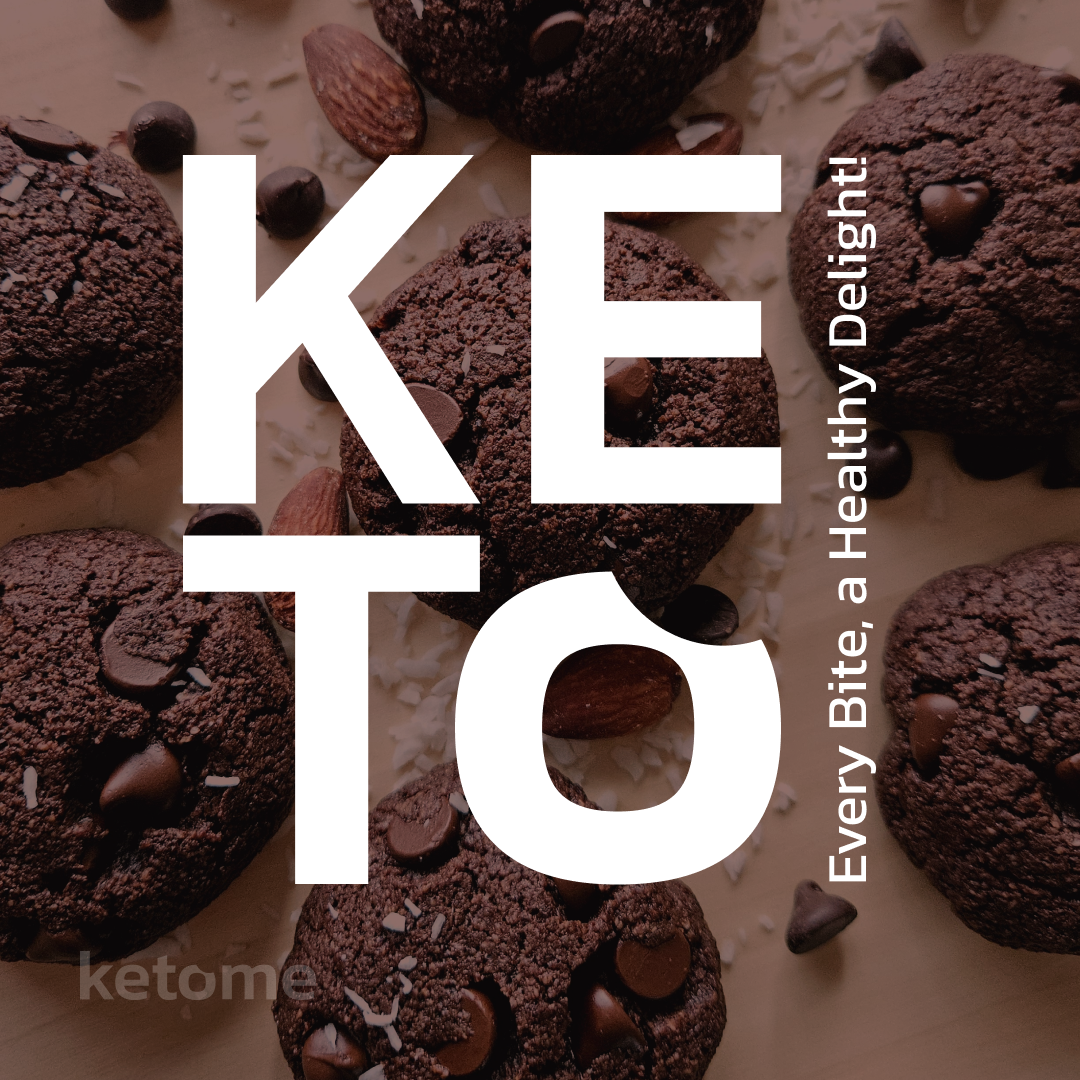


My Experience Baking with Monk Fruit, Erythritol & Allulose
A real baker’s notes from the KetoMe kitchen, updated for 2026
Introduction: Baking with Modern Sweeteners
As a hands-on baker, I’m always experimenting with ingredients to perfect taste, texture, and freshness—especially for cookies that travel from my kitchen to your home. In 2026, sugar alternatives like monk fruit, erythritol, and allulose are more popular than ever in low-carb and keto baking. Here’s my honest experience working with these sweeteners.
Why I Tested Monk Fruit, Erythritol & Allulose
Originally, I used a monk fruit & erythritol blend in my recipes. Curious about new trends, I decided to test a monk fruit & allulose combination, hoping for a softer texture and a more sugar-like flavor.
On paper, allulose seemed like the perfect upgrade. It’s known for creating a melt-in-your-mouth softness and natural sweetness.
Recipe Tests: What I Baked
I tested the monk fruit & allulose blend in several cookies:
The first thing I noticed was the texture: exceptionally moist, ultra-soft cookies. The pecan chocolate cookies, especially, stayed moist for days after baking.
However, the taste was slightly different compared to the original monk fruit & erythritol blend.
Sweetener Comparison Table
| Sweetener | Main Benefit | Main Drawback | Effect on Texture | Browning |
|---|---|---|---|---|
| Monk Fruit | Natural, clean sweetness | Needs a bulking agent | Neutral | Minimal |
| Erythritol | Adds structure, reduces moisture | Can cause cooling effect | Crisper, drier | Minimal |
| Allulose | Soft, sugar-like taste | Absorbs moisture, can be too soft | Very soft, moist | Browns quickly |
What Didn’t Work: Lessons from the Kitchen
After baking multiple batches with allulose, I noticed two key issues:
- The cookies didn’t dry properly after baking and became too soft over time.
- The structure wasn’t stable, and the texture didn’t hold up after a few days.
Most importantly, shipping became a concern. Cookies that were too soft didn’t survive transit as well, especially without artificial preservatives.
Shipping & Storage: The Real-World Test
For cookies to arrive fresh and intact, they need the right balance of softness and structure. Too much allulose made the cookies delicate and prone to damage during shipping.
To solve this, I started using a blend of three sweeteners in some recipes.
What Works Best in 2026: My Current Sweetener Blend
Through continued testing, I found the best results came from a balanced blend of monk fruit, allulose, and erythritol. This combination delivers:
- Clean, pleasant sweetness
- Soft—but structured—texture
- Cookies that hold their shape
- Better stability for storage and shipping
Most importantly, this blend avoids the overly soft, “wet” texture that happens with allulose alone.
Key Takeaways: Balancing Taste, Texture & Freshness
Baking is always about balance. One ingredient might improve taste but affect texture; another might help structure but change the sweetness. There’s rarely a perfect single solution—just the right blend for your needs.
Sometimes, what looks great in theory doesn’t work in real baking, especially if you care about consistency and quality from kitchen to table.
Tips for Home Bakers Using Allulose
If you’re baking at home with allulose, keep these points in mind:
- Allulose browns much faster than erythritol.
- It makes baked goods softer than expected.
- It doesn’t dry the same way after baking.
To get the best results:
- Lower your oven temperature.
- Watch baking time closely to avoid over-browning.
Frequently Asked Questions
Why don’t you use only allulose in your cookies?
From my personal testing, allulose alone creates a very soft, moist texture that doesn’t dry properly after baking. Over time, cookies made with only allulose can become too soft and may not hold up well during storage or shipping—especially since I don’t use artificial preservatives.
What is the best sweetener blend for low-carb cookies?
Based on my experience, a blend of monk fruit, erythritol, and allulose offers the best balance. This combination gives cookies a clean sweetness, soft bite, and enough structure to stay fresh and stable.
Do allulose cookies taste better?
Allulose can improve flavor because it tastes more like sugar. However, taste is just one part of baking—texture and shelf life matter, too. For cookies that need to last, a blend is usually better than allulose alone.
Why do some cookies feel too soft or “wet”?
Cookies can feel too soft or “wet” when the sweetener absorbs and retains moisture. Allulose, in particular, tends to hold onto moisture, which can prevent cookies from fully setting.
Which sweetener is better for baking: erythritol or allulose?
Both have strengths. Erythritol helps create structure and a drier finish, while allulose adds softness and enhances browning. Using them together in the right ratio usually gives the best results for low-carb cookies.
How do you keep cookies fresh during shipping?
The key is the right recipe and ingredient balance. Cookies should be soft but stable, so they keep their shape and texture during transit. That’s why I use a blend of sweeteners for optimal freshness and durability.
Conclusion: Baking for Consistency in 2026
For me, baking is about more than just great taste in the moment. It’s about creating cookies that stay delicious and consistent—from my kitchen to your table. That means testing, adjusting, and always finding a better way, even if it’s not the easiest.
For more information on sweeteners and their properties, you can review studies such as those published in the National Institutes of Health (NIH) and recent 2026 product trends on FoodNavigator.