

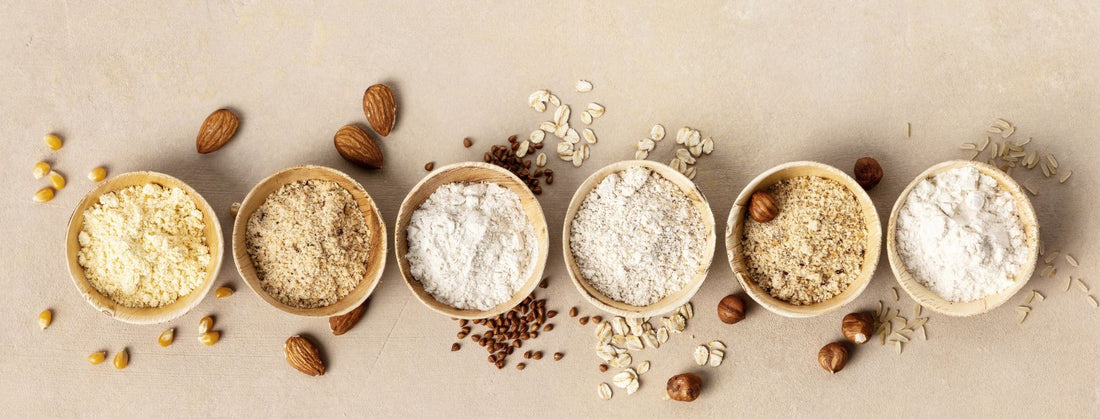
Exploring the Nutritional Benefits and Considerations of Almond, Coconut, and Other Popular Flours
Exploring the Nutritional Benefits and Considerations of Almond, Coconut, and Other Popular Flours (2026 Guide)
Discover the unique nutritional profiles, health benefits, and key considerations of popular flours used in modern baking. Whether you follow a keto, paleo, gluten-free, or traditional diet, understanding the differences between almond, coconut, wheat, rice, and oat flours can help you make informed choices for your recipes and health goals in 2026.
Almond Flour
Almond flour is a staple in low-carb and gluten-free baking.
-
Benefits:
- Low in carbohydrates, high in healthy fats and dietary fiber
- Excellent source of vitamin E and magnesium
- Supports heart health and blood sugar regulation
- Completely gluten-free
-
Considerations:
- More expensive than most other flours
- High calorie density; may not suit calorie-restricted diets
Coconut Flour
Coconut flour is popular for low-carb and allergen-friendly baking.
-
Benefits:
- Extremely high in fiber, low in net carbs
- Nut-free and suitable for those with nut allergies
- Less expensive than almond flour
-
Considerations:
- Highly absorbent; recipes require extra moisture (often eggs)
- Distinct sweet flavor can alter recipes
Wheat Flour
Wheat flour remains the most widely used flour in traditional baking.
-
Benefits:
- Versatile for breads, pastries, and more
- Whole wheat varieties provide dietary fiber, vitamins, and minerals
-
Considerations:
- Contains gluten; unsuitable for celiac or gluten-sensitive individuals
- High glycemic index; can impact blood sugar levels
Rice Flour
Rice flour is a common gluten-free alternative.
-
Benefits:
- Gluten-free and easy to digest
- Ideal for recipes needing a light texture
-
Considerations:
- Lower in nutrients compared to almond or coconut flour
- High in carbohydrates; not suitable for low-carb diets
Oat Flour
Oat flour offers a nutrient-dense option for many diets.
-
Benefits:
- Rich in protein, fiber, and antioxidants
- Supports heart health and blood sugar regulation
- Lower glycemic index than wheat flour
-
Considerations:
- May be cross-contaminated with gluten unless certified gluten-free
- More absorbent than wheat flour; may require recipe adjustments
- Moderate carbohydrate content; not ideal for strict keto diets
Comparison Table: Nutritional Profiles of Popular Flours (per 1/4 cup, 2026)
| Flour Type | Calories | Carbs (g) | Fiber (g) | Protein (g) | Fat (g) | Gluten-Free |
|---|---|---|---|---|---|---|
| Almond | 160 | 6 | 3 | 6 | 14 | Yes |
| Coconut | 120 | 16 | 10 | 4 | 4 | Yes |
| Wheat (All-Purpose) | 110 | 23 | 1 | 3 | 0 | No |
| Rice | 145 | 32 | 1 | 2 | 0 | Yes |
| Oat | 110 | 21 | 3 | 4 | 2 | Yes* |
*Oat flour is gluten-free if processed in a gluten-free facility.
Choosing the Right Flour for Your Diet
Each flour has unique properties, making it important to select the best option for your dietary needs and baking goals. For low-carb and gluten-free baking, almond and coconut flours are top choices. Wheat flour remains the standard for traditional recipes, while rice and oat flours offer alternatives for gluten-free and nutrient-focused diets.
Frequently Asked Questions
What is the best flour for a keto diet?
Almond flour and coconut flour are the most popular choices for keto baking due to their low net carbohydrate content and high fiber. Both are gluten-free and support low-carb lifestyles.
Can I substitute almond flour for wheat flour in recipes?
Almond flour can replace wheat flour in many recipes, but due to its higher fat and moisture content, you may need to adjust the amount and add extra binding agents like eggs. Expect a denser texture and a subtle nutty flavor.
Is coconut flour suitable for people with nut allergies?
Yes, coconut flour is nut-free and is often used as a safe alternative for those with nut allergies. However, always check packaging for possible cross-contamination.
How do I make baked goods less dry when using coconut flour?
Coconut flour is highly absorbent and requires more liquid or eggs in recipes. A general rule is to use one egg for every 1/4 cup of coconut flour to maintain moisture.
Is oat flour gluten-free?
Oat flour is naturally gluten-free, but it is often processed in facilities that handle wheat. For those with celiac disease or gluten sensitivity, look for certified gluten-free oat flour to avoid cross-contamination.
Which flour is best for people with celiac disease?
Gluten-free flours such as almond, coconut, rice, and certified gluten-free oat flour are suitable for people with celiac disease. Always check labels to ensure there is no cross-contamination.
What flour is highest in fiber?
Coconut flour is exceptionally high in fiber, with about 10 grams per 1/4 cup, making it a top choice for increasing fiber intake.
Conclusion
Understanding the nutritional benefits and considerations of popular flours can help you bake and cook with confidence, whether you’re managing dietary restrictions or simply seeking healthier options. Always choose flours that align with your health goals and recipe needs.
At KetoMe, we use almond and coconut flours in our cookies to provide delicious, low-carb treats ideal for keto, paleo, and gluten-free diets. These flours deliver both taste and nutritional benefits, making KetoMe cookies a smart choice for health-conscious indulgence in 2026.